
Fuel level sensors are crucial for monitoring fuel usage in vehicles. But what exactly are they, where are they located, and how do they function? Let’s break it down.
A fuel level sensor measures the amount of fuel in a vehicle’s tank and provides real-time data to the driver or fleet management system. It is typically located inside the fuel tank and operates using methods like floating devices, sound waves, or electrical capacitance.
Understanding fuel level sensors is essential for efficient vehicle maintenance and fuel management. This article will explain what they are, their location, and how they work.
What is a Fuel Level Sensor?
Fuel level sensors ensure accurate fuel monitoring for both personal and commercial vehicles.
A fuel level sensor is a device that measures the amount of fuel in a vehicle’s tank. It provides real-time data to the driver or fleet management system, helping to optimize fuel usage and prevent unexpected fuel shortages [^1].

Types of Fuel Level Sensors
Fuel level sensors come in different types, each suited to specific needs:
| Type | How It Works |
|---|---|
| Float-based Sensors | Uses a float that moves with the fuel level to trigger a mechanical or electrical signal. |
| Ultrasonic Sensors | Emits sound waves that bounce off the fuel surface to measure the level. |
| Capacitive Sensors | Measures changes in electrical capacitance as fuel levels change. |
Float-based sensors are the most common in vehicles due to their simplicity and cost-effectiveness [^2].
Applications of Fuel Level Floats
Fuel level floats are commonly used in:
- Personal vehicles
- Commercial trucks
- Heavy machinery
- Fuel storage systems
They are especially prevalent in cars due to their simplicity and reliability [
Where is the Fuel Level Sensor Located?
The location of the fuel level sensor is important for its accuracy and maintenance.
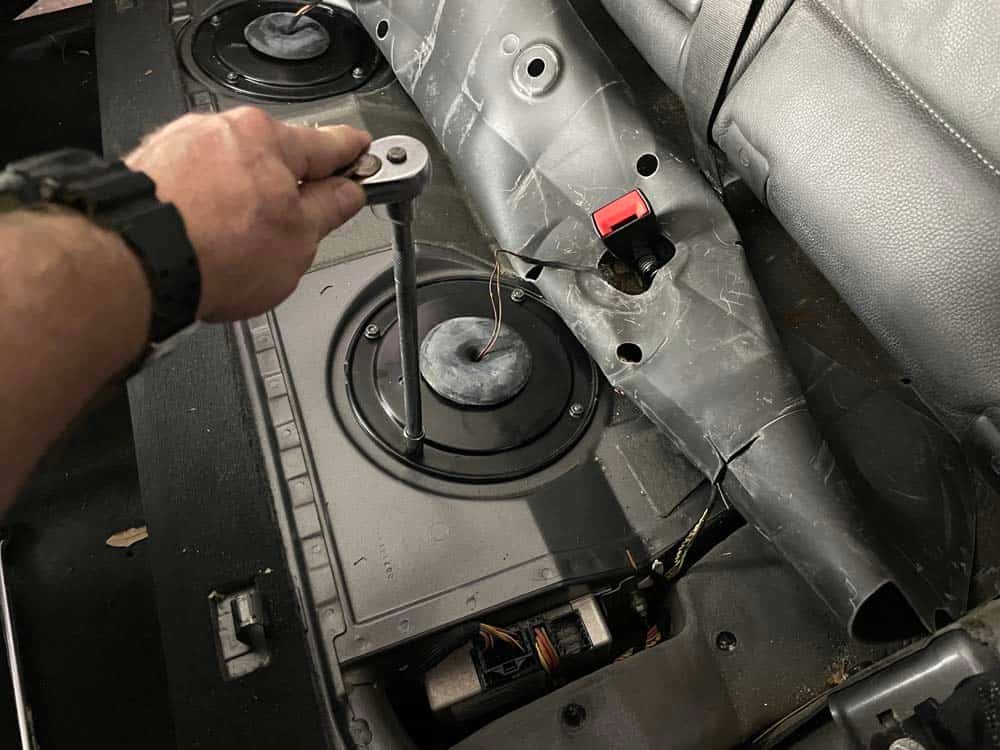
The fuel level sensor is typically located inside the fuel tank, often as part of the fuel sending unit. This placement allows it to monitor the fuel level directly and provide accurate readings [3].
Why Inside the Fuel Tank?
Placing the sensor inside the fuel tank ensures it measures the fuel level directly, reducing the risk of inaccurate readings caused by external factors. However, this also means accessing the sensor for maintenance or replacement can be more challenging.
How Does a Fuel Level Float Work?
The operation of a fuel level float is straightforward but highly effective.
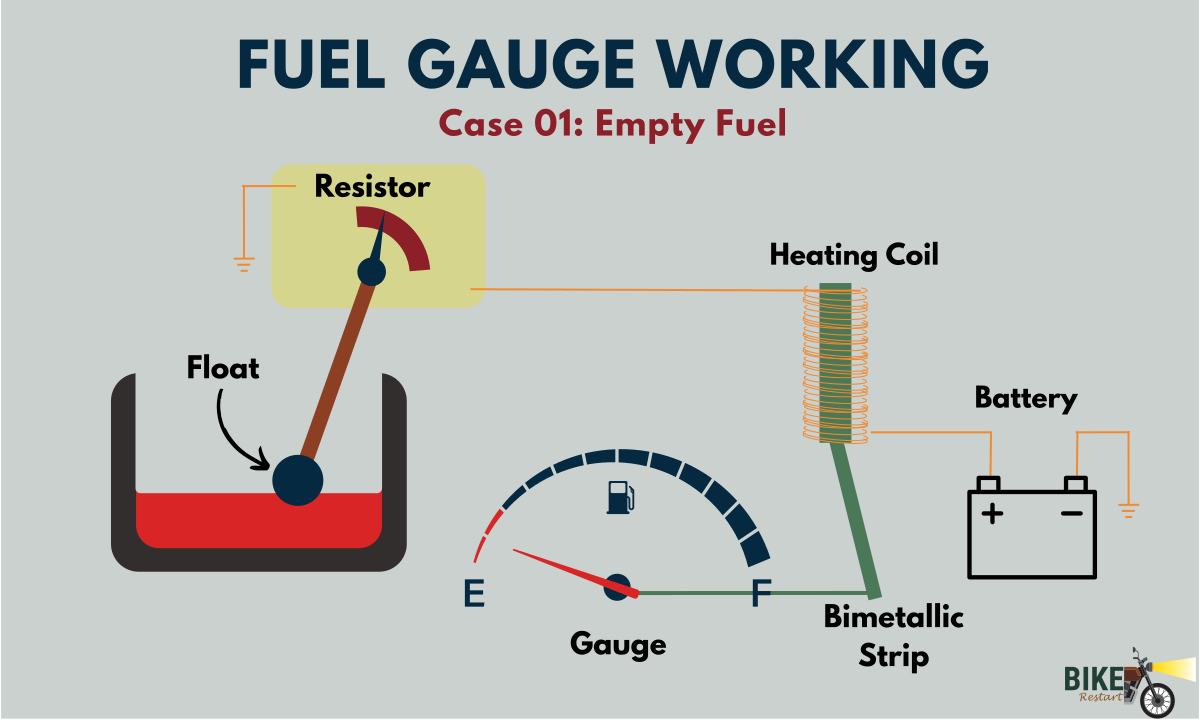
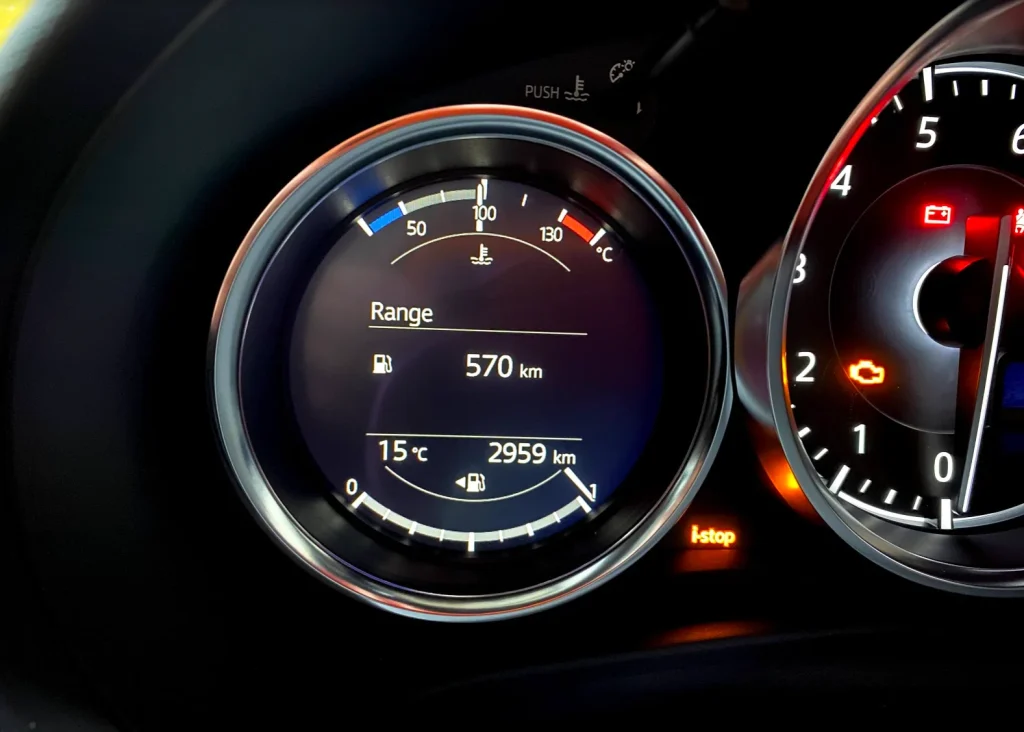
A fuel level float works by resting on the fuel surface and moving up or down with the fuel level. It is connected to a potentiometer, a variable resistor that adjusts resistance based on the float’s position. The vehicle’s fuel gauge reads this resistance change and displays the fuel level.
Components of a Fuel Level Float System
Here’s a closer look at the key components:
- The Float: Rests on the fuel surface and moves with the fuel level.
- Potentiometer: A variable resistor connected to the float.
- Fuel Gauge: Reads the resistance change and displays the fuel level.
This system ensures accurate and real-time fuel level monitoring.
Advantages and Limitations
| Advantages | Limitations |
|---|---|
| Simple and cost-effective | Requires precise calibration |
| Reliable in most vehicles | Affected by temperature or fuel density |
| Easy to install and maintain | May struggle in large or deep tanks |
Despite these limitations, fuel level floats remain vehicles’ most common type of fuel level sensor.
Conclusion
Fuel level floats are essential for accurate fuel monitoring in vehicles and machinery. They work by using a float and potentiometer to measure fuel levels, providing reliable data to the fuel gauge.