
Introduction
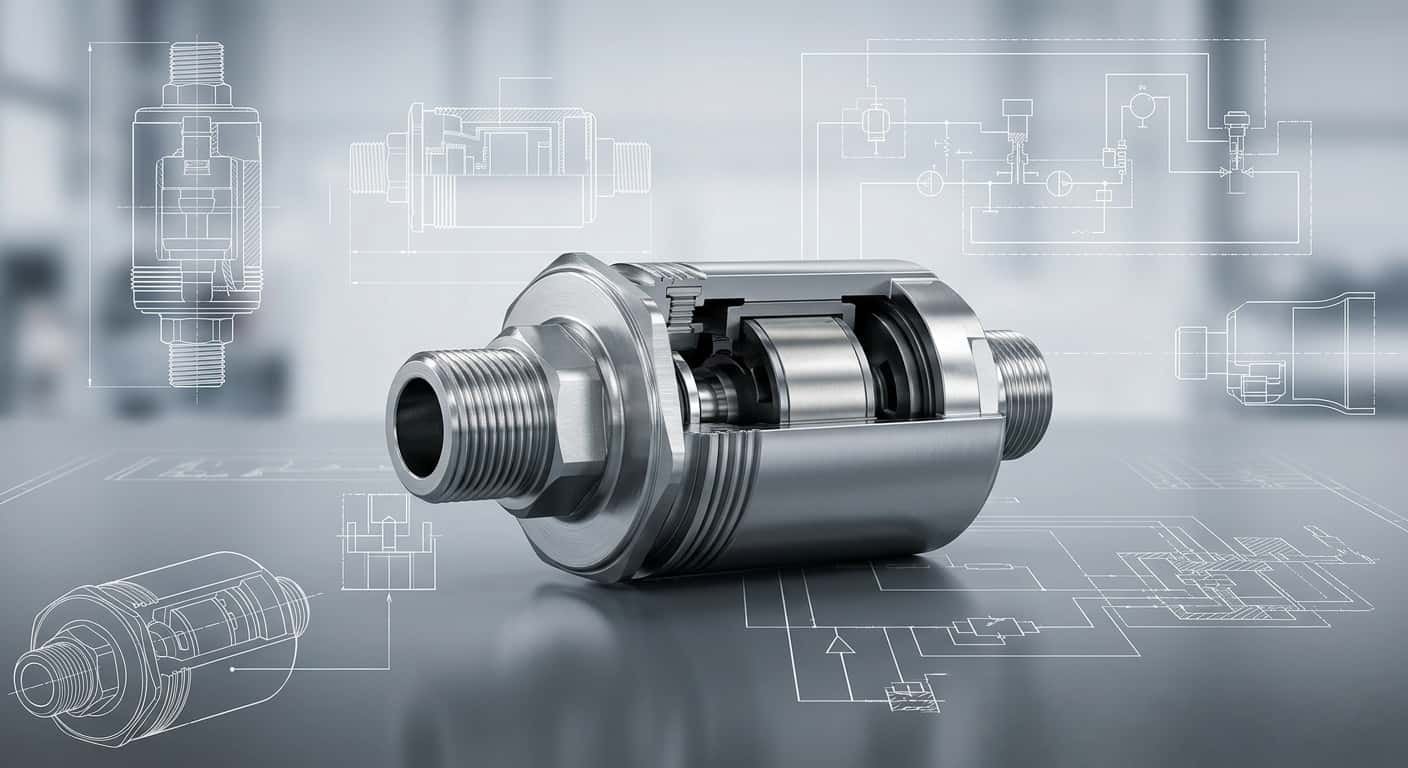
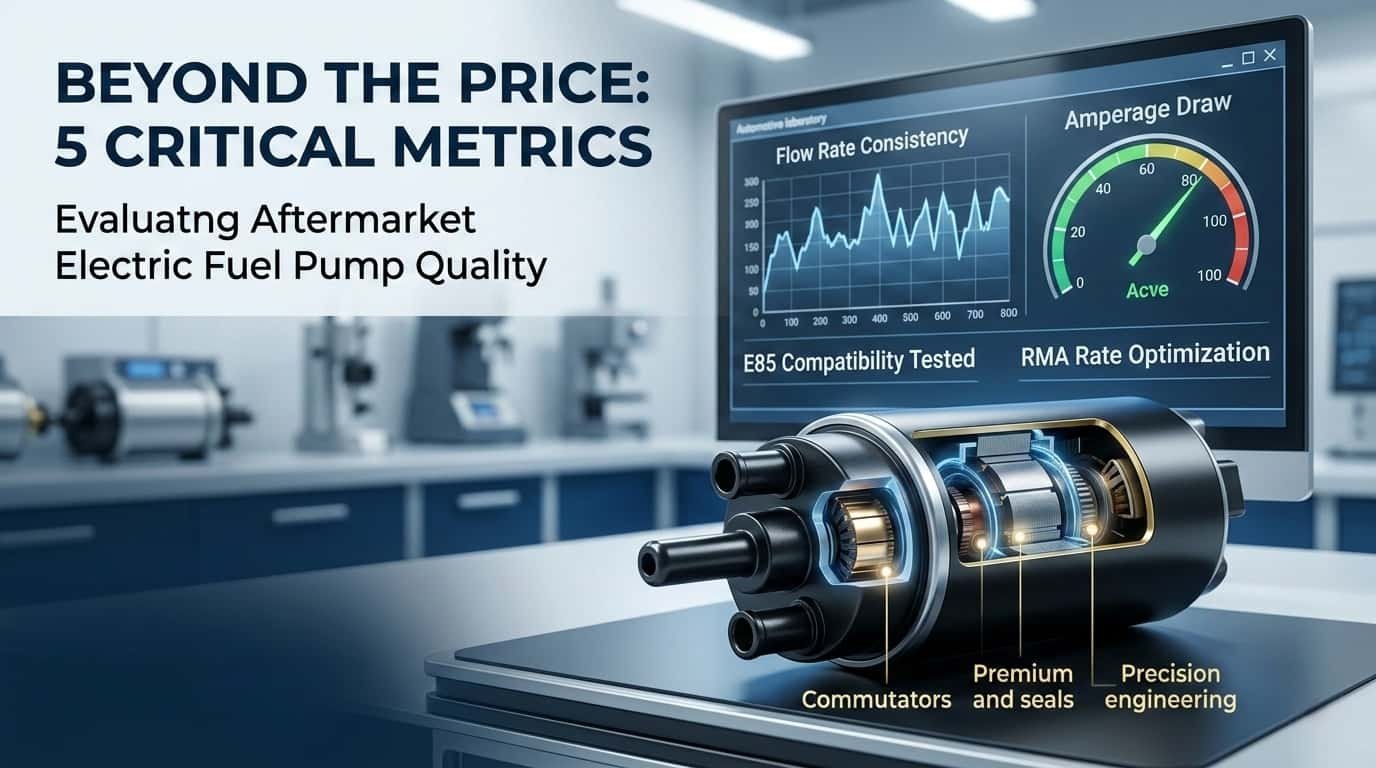
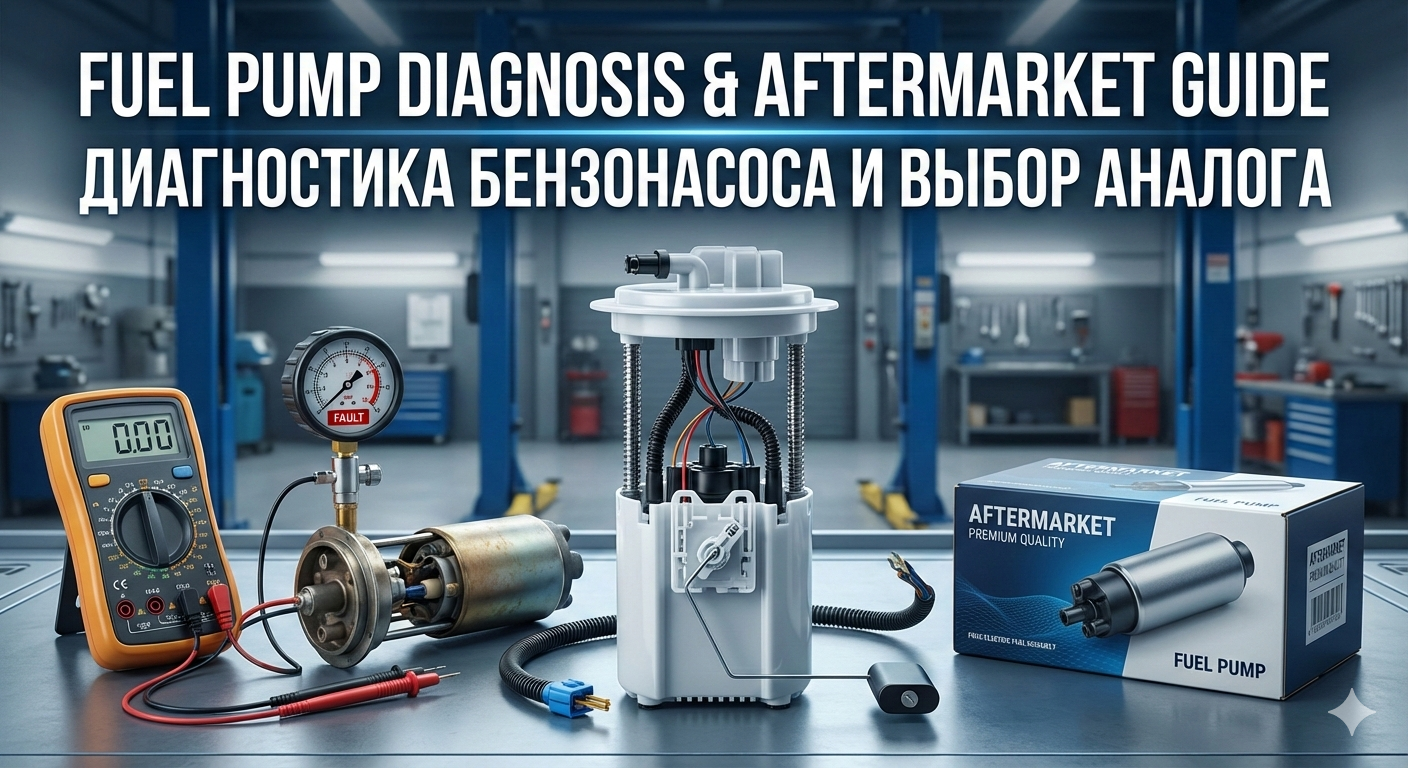
In the competitive automotive aftermarket, the reliability of a fuel pump isn’t just a selling point—it’s a requirement. For procurement professionals and distributors across North America, Europe, and Australia, understanding the internal architecture of a pump is critical to reducing return rates and ensuring end-user satisfaction.
Today, we dive into the two core technologies driving modern electric fuel pumps: Roller Cell and Impeller (Turbine) designs.
1. Roller Cell Technology: The Power of Positive Displacement
Roller cell pumps are renowned for their ability to create high pressure even at low RPMs. This design utilizes a series of rollers housed within an offset T-shaped carrier.
-
How it works: As the motor rotates, centrifugal force pushes the rollers outward against the pump housing, creating sealed chambers that “trap” and move fuel.
-
The Critical Factor: Material Hardness. At [Your Company Name], our rollers undergo specialized heat treatment to prevent “flat-spotting,” a common cause of pressure loss in inferior pumps.
-
Best For: Older EFI (Electronic Fuel Injection) systems and applications requiring high-pressure stability.
2. Impeller (Turbine) Technology: The Modern Standard
Most modern vehicles utilize turbine-style pumps. These rely on a high-speed impeller blade to move fuel through kinetic energy.
-
The Advantage: Whisper-Quiet Operation. Unlike the mechanical “clicking” sometimes associated with rollers, impellers provide a smooth, continuous flow of fuel.
-
The Challenge: Precision Tolerances. The gap between the impeller and the pump housing is measured in microns. If the impeller is poorly molded or uses low-grade polymers, it can warp under heat, leading to pump seizure.
-
Our Quality Edge: We utilize aerospace-grade PPS (Polyphenylene Sulfide) for our impellers to ensure zero thermal expansion and maximum chemical resistance against ethanol-blended fuels (E10/E85).
3. Comparing Performance: Roller vs. Impeller
For buyers, the choice often depends on the specific vehicle application.
| Feature | Roller Cell | Impeller (Turbine) |
| Pressure Capability | Excellent (High Pressure) | Good (Consistent) |
| Noise Level | Moderate | Very Low |
| Wear Resistance | High (with proper lubrication) | Exceptional (less friction) |
| Fuel Compatibility | Standard Gasoline | Excellent (Gasoline & Ethanol) |
4. Why Global Buyers Partner With CreditParts
We understand that for importers in the US and EU, a fuel pump failure is an expensive logistical nightmare. That is why our manufacturing process focuses on:
-
Dynamic Balancing: Every impeller is balanced to eliminate vibration and extend motor brush life.
-
Micron-Level Tolerances: Ensuring that every component fits perfectly to prevent internal leakage.
-
Rigorous Testing: 100% of our pumps undergo flow and pressure testing before leaving the facility.
Conclusion: Quality You Can Torque About
Whether you are sourcing for heavy-duty trucks in the Australian Outback or commuter cars in the European Union, the internal components—the rollers and the impellers—determine the lifespan of the unit. Don’t settle for “good enough” when you can provide your customers with OE-quality precision.
Looking to upgrade your fuel system inventory? Contact our Export Team today for a technical catalog and bulk pricing.