
A failing throttle body can cause various performance issues in your car. Let’s explore the signs and symptoms to watch out for.
A bad throttle body can lead to rough idling, poor acceleration, and even engine stalling. Recognizing these symptoms early can help you address the problem before it escalates.
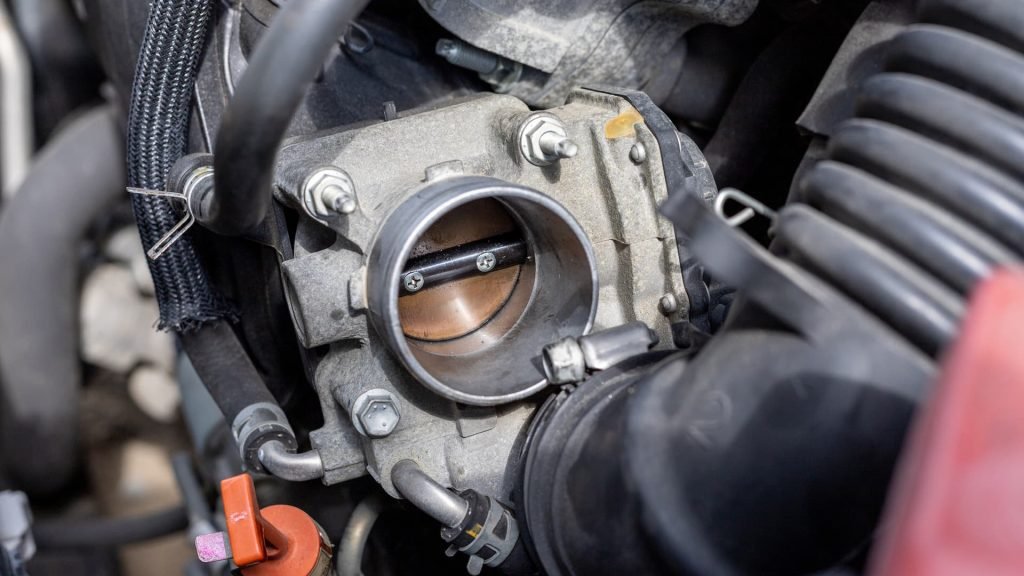
The throttle body might be the culprit if your car is acting up. Here’s what you need to know to identify and address the issue.
Can a throttle body cause a car to lose power?
If your car feels sluggish or lacks power, a faulty throttle body could be the reason.
Yes, a bad throttle body can cause a vehicle to lose power. It disrupts the air-fuel mixture, leading to poor combustion and reduced engine performance [^1].

How does a bad throttle body affect power?
A malfunctioning throttle body can significantly impact your car’s performance. Here’s what happens:
- Disrupted Airflow: The throttle body regulates air intake. If it’s clogged or damaged, airflow is restricted, reducing power.
- Unstable Idling: A bad throttle body can cause erratic idling, making the engine feel weak or unstable.
- Poor Acceleration: When the throttle body fails, the car may hesitate or struggle to accelerate, especially during overtaking or uphill driving.
If your car is losing power, inspecting the throttle body is essential as part of your troubleshooting process [^2].
What are the signs of a bad throttle body in your car?
Wondering if your throttle body is failing? Here are the key symptoms to watch for.
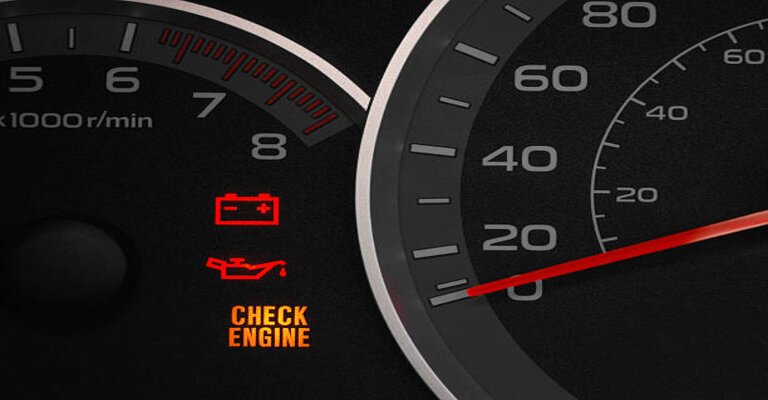
Common signs of a bad throttle body include rough idling, engine stalling, poor acceleration, and a lit check engine light. These symptoms indicate that the throttle body is not regulating airflow properly [^3].
Detailed symptoms of a failing throttle body
Here’s a breakdown of the most common symptoms and what they mean:
| Symptom | Description |
|---|---|
| Engine idles unevenly | The engine idles unevenly at stops or low speeds and may stall. |
| Check the engine light on | The vehicle’s computer detects an issue with the throttle body, light comes on. |
| Poor acceleration | The vehicle hesitates or is not smooth when accelerating and feels sluggish. |
| Increased fuel consumption | Fuel usage increases may need to refuel more frequently. |
| Engine misfires | Incomplete combustion feels like small bumps when accelerating. |
| Irregular idle speed | Engine idles too high or too low, affecting performance. |
| Engine stalls | Engine unexpectedly stalls at low speeds or while idling may pose a safety risk. |
| Reduced power | The vehicle responds slowly, and it is especially difficult to accelerate uphill. |
| Unusual noise | Abnormal sounds from the engine area, such as whirring or buzzing. |
If you notice any of these symptoms, it’s time to inspect or clean your throttle body. In severe cases, replacement may be necessary [^4].
Conclusion
A bad throttle body can lead to serious engine performance issues. Recognizing the symptoms early can help you address the problem before it escalates.