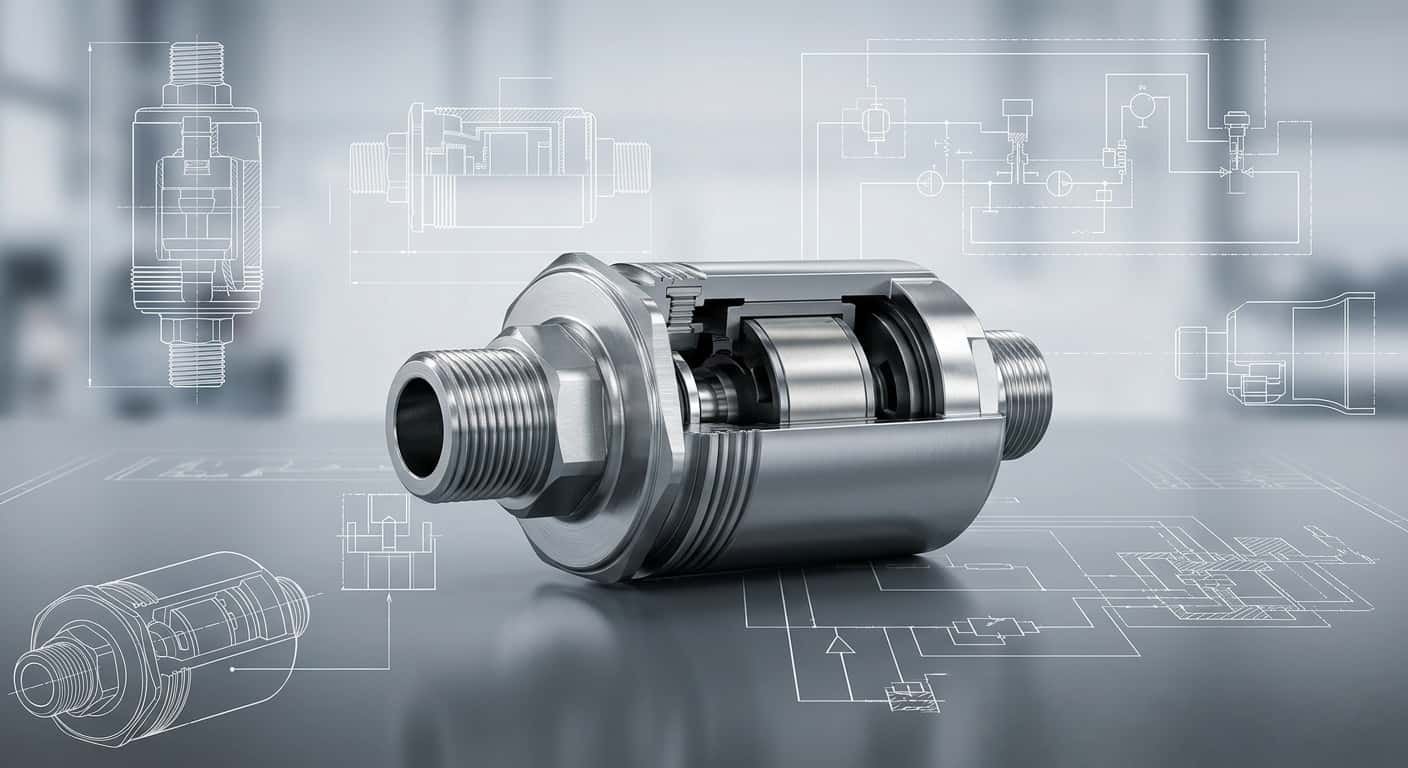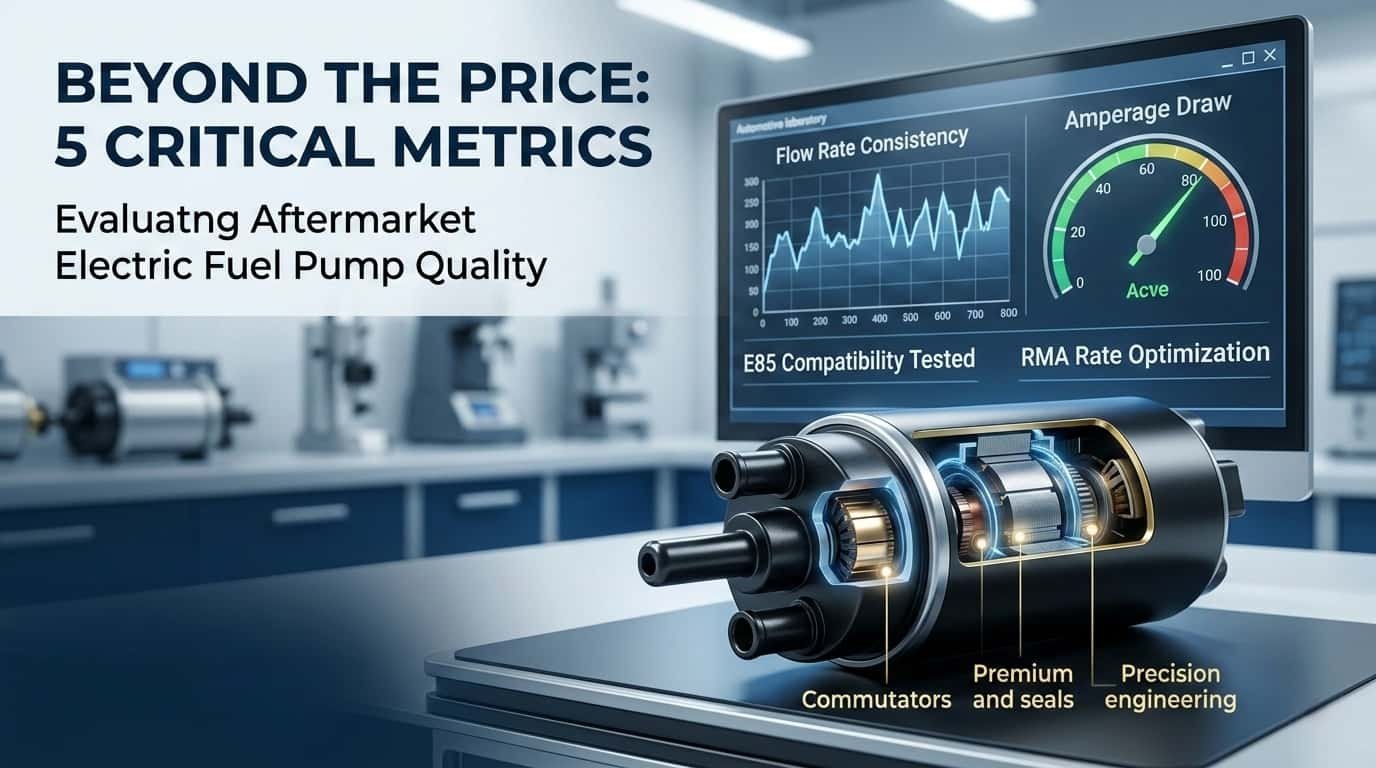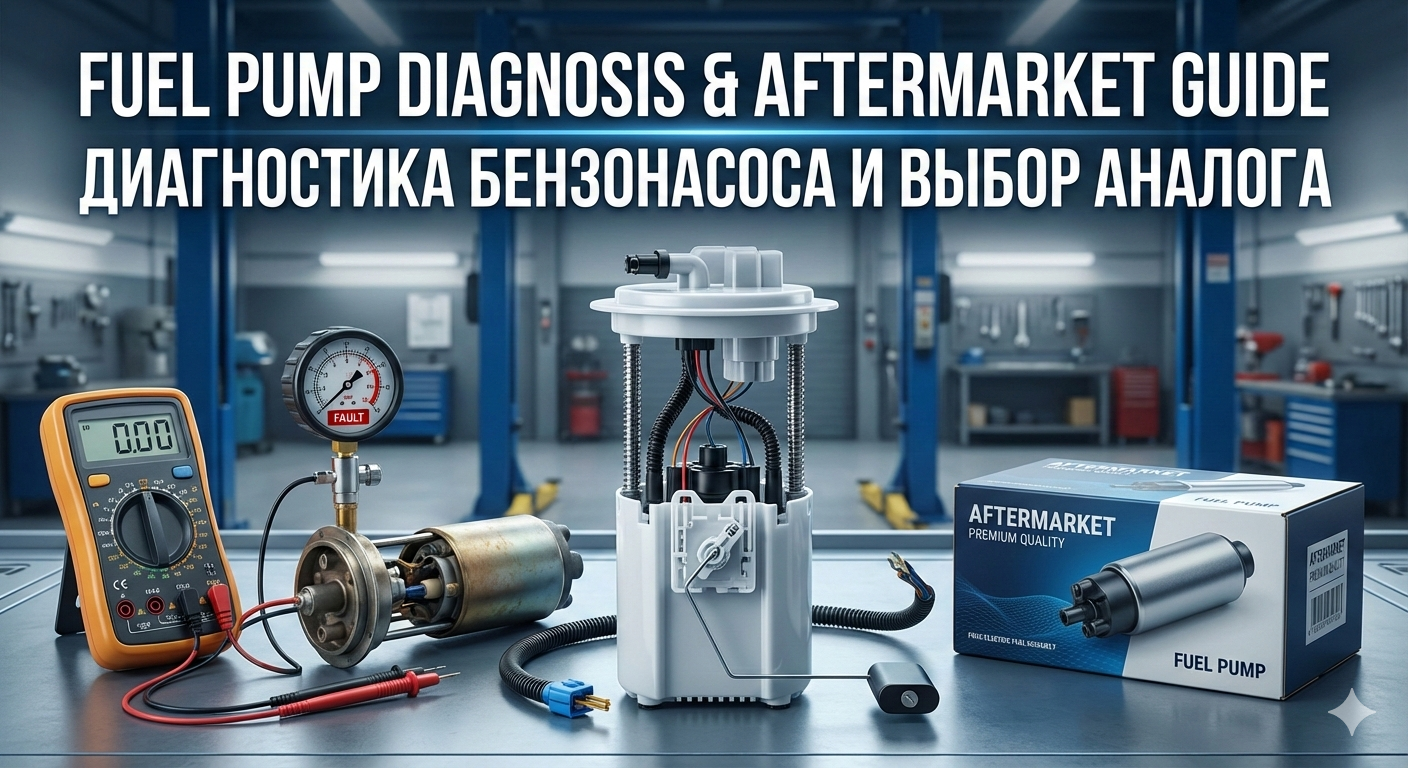

To ensure reliable pressure maintenance and adjustment, precise design and manufacturing are essential. Key processes include:
Material Selection:
It is essential to select materials that can withstand fuel, temperature variations, and mechanical stress for components like diaphragms, springs, and poppet valves. Diaphragms are usually crafted from fuel-resistant rubber (fuel-resistant and high-temperature maintenance NBR), while metal parts are made from stainless steel and other corrosion-resistant materials.
Precision Machining:
Metal components of the fuel pressure regulator, such as the valve seat and poppet, require accurate machining to ensure good sealing and long-term durability. we use German CNC machining to ensure precise dimensions and shapes.
Assembly Precision:
The assembly of the fuel pressure regulators must be extremely precise to ensure the proper fit of all parts to avoid fuel leaks or unstable pressure regulation.

Testing and Calibration:
Every fuel pressure regulator undergoes pressure testing and calibration before leaving the test bench to ensure it operates within the specified pressure range. We provide 100% underwater fuel testing and random gas inspection, including calibration of spring pressure and functional valve opening and closing testing, to ensure each fuel pressure regulator is running at 100% before shipment.
Sealing Technology:
It is crucial to ensure that all connection points and moving parts meet sealing standards to prevent fuel leaks, maintaining the overall performance and safety of the system.