
Choosing the right fuel delivery system can improve your car’s performance. Let’s explore the differences between carburetors, throttle body injection, multi-port fuel injection, and direct injection.
Fuel delivery systems have evolved from carburettors to advanced electronic systems like direct injection. Each system has strengths, from simplicity to precision, but choosing the one that fits your needs and goals is key.
Understanding these systems can help you make informed decisions about your car’s performance upgrades. Let’s dive in!
What is throttle body injection?
Are you curious about how throttle body injection (TBI) works and why it’s still relevant today?
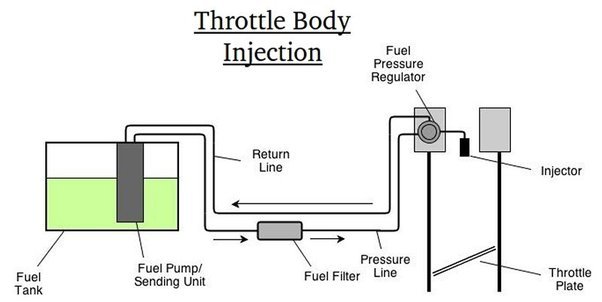
Throttle body injection (TBI) is an electronic fuel injection system that injects fuel into the throttle body, similar to how a carburetor works. It’s simpler than multi-port systems but offers better fuel efficiency and performance than carburetors].
How does TBI compare to other systems?
Throttle body injection strikes a balance between simplicity and modern fuel efficiency. Here’s how it stacks up:
- Simplicity: TBI systems are easier to install and maintain than multi-port systems, making them popular for older vehicles.
- Performance: While not as precise as MPFI, TBI offers better fuel atomization and distribution than carburetors, improving engine performance.
- Cost: TBI systems are generally more affordable than MPFI or direct injection, making them a budget-friendly option.
However, TBI systems may not deliver the same precision and power as more advanced systems, especially in high-performance applications.
What is carb injection?
Carburetors were the standard for decades, but how do they compare to modern fuel injection systems?
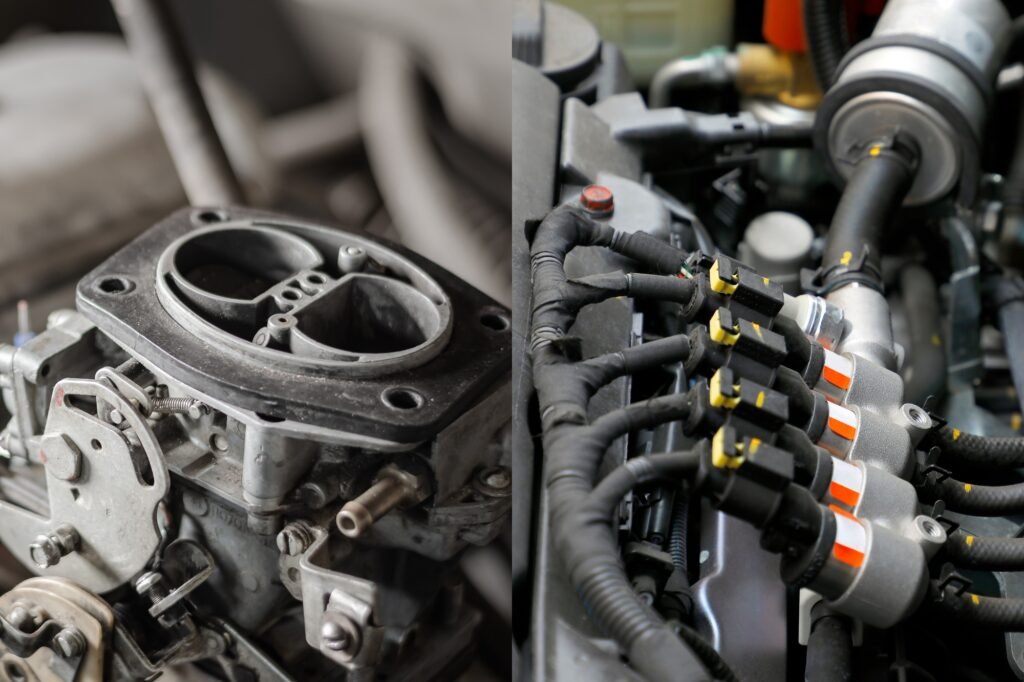
Carburetion is a mechanical system that mixes air and fuel before delivering it to the engine. While simple and reliable, carburetors are less efficient and precise than electronic fuel injection systems.
Why choose a carburetor?
Despite their limitations, carburetors still have their place in the automotive world:
- Simplicity: Carburetors are easy to understand and repair, making them ideal for DIY enthusiasts.
- Cost: They are generally cheaper to purchase and maintain than electronic systems.
- Customization: Carburetors allow easy tuning and adjustments, which are still popular in racing and vintage car builds.
However, carburettors struggle with fuel efficiency and emissions, so they’ve largely been replaced by electronic systems in modern vehicles.
What is MPFI injection?
Multi-port fuel injection (MPFI) is the next step up in fuel delivery systems. How does it work, and why is it so popular?
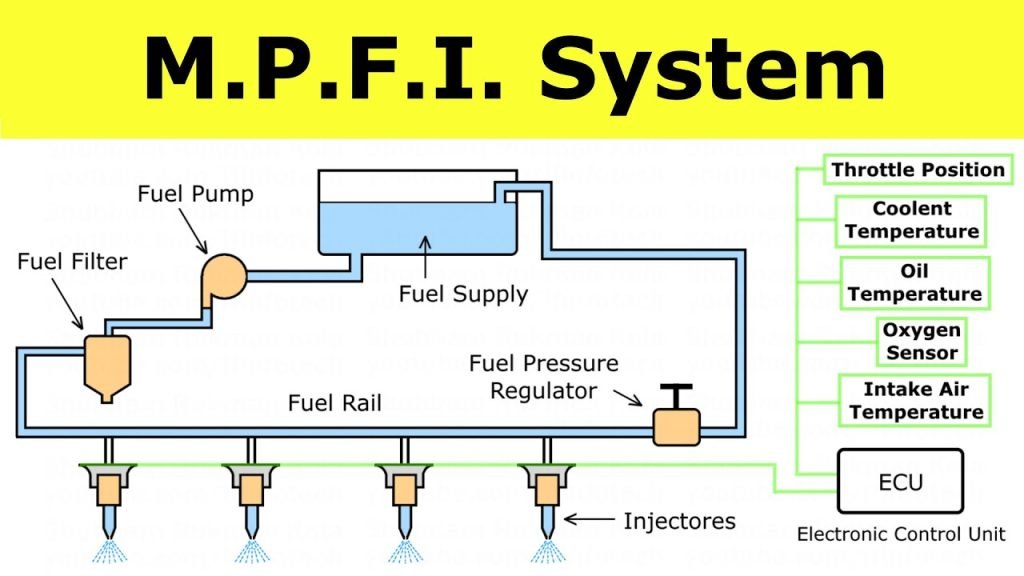
Multi-port fuel injection (MPFI) delivers fuel directly to each cylinder’s intake port, offering precise control over the air-fuel mixture. It’s the standard in most modern vehicles due to its efficiency and performance.
Why is MPFI superior?
MPFI systems offer several advantages over carburetors and TBI:
- Precision: MPFI ensures an optimal air-fuel ratio for better combustion by delivering fuel directly to each cylinder.
- Performance: Improved fuel atomization and distribution lead to more power and smoother engine operation.
- Efficiency: MPFI systems are more fuel-efficient and produce fewer emissions than carburetors or TBI.
While MPFI is more complex and expensive than TBI or carburetors, its benefits make it the go-to choice for modern engines.
What is direct injection?
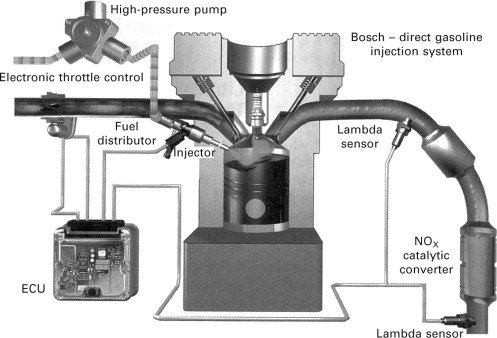
Direct injection is the pinnacle of fuel delivery technology. How does it work, and why is it so effective?
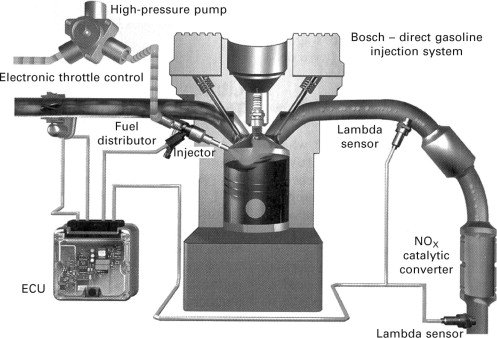
Direct injection (DI) sprays fuel directly into the combustion chamber, allowing precise control over fuel delivery and timing. This results in improved power, efficiency, and reduced emissions.
What makes DI stand out?
Direct injection offers several key advantages:
- Efficiency: DI minimizes fuel waste and maximizes energy output by injecting fuel directly into the combustion chamber.
- Power: DI allows for higher compression ratios and better combustion, increasing horsepower and torque.
- Emissions: Improved combustion reduces harmful emissions, making DI a favourite among automakers for meeting strict environmental regulations.
However, DI systems are more complex and expensive to maintain, which can be a drawback for some users .
What makes more power?
When it comes to raw power, which fuel delivery system comes out on top?
Direct injection (DI) is the most powerful fuel delivery system, offering precise fuel control and allowing for higher compression ratios. However, multi-port fuel injection (MPFI) is a close second and is more widely used in high-performance applications.
The following table compares the power and efficiency of different systems:
| System | Power Output | Efficiency | Accuracy | Common Applications |
|---|---|---|---|---|
| Carburetor(Carb) | lowest | Lower | Lower | Older vehicles |
| TBI | medium | medium | medium | Older EFI Vehicles |
| MPFI | Higher | Higher | Higher | Modern petrol engine |
| Direct Injection | Highest | Highest | Highest | Modern high-performance engine |
Which system is best for your needs?
Here’s a breakdown of the power potential for each system:
- Direct Injection (DI): Offers the highest power output due to precise fuel delivery and higher compression ratios.
- Multi-Port Fuel Injection (MPFI): Provides excellent power and is more versatile than DI, making it a popular choice for performance builds.
- Throttle Body Injection (TBI): While not as powerful as DI or MPFI, TBI is still an upgrade over carburettors and can deliver decent performance.
- Carburettors are the least powerful option, but their simplicity and customizability make them a favourite for vintage and racing enthusiasts.
Ultimately, the best system depends on your goals, budget, and vehicle type.
Conclusion
Choosing the right fuel delivery system depends on your needs, from simplicity to performance. Whether it’s carburetors or direct injection, understanding these systems can help you make the best decision for your car.