
Before discussing what a critical component of the fuel pressure regulator is, I want to introduce this Unsung Hero for your engine.
Fuel Pressure Regulator: The Unsung Hero of Your Engine
A fuel pressure regulator is a vital component in your vehicle, controlling the fuel pressure that feeds into the engine. It guarantees that the engine receives the perfect amount of fuel at the optimal pressure—essential for smooth and efficient operation.
How It Works:
- The fuel pressure regulator maintains consistent fuel pressure, ensuring the engine gets the right amount of fuel, whether speeding down the highway or cruising leisurely.
- If the fuel pressure gets too high, the regulator returns the excess to the fuel tank.
- It also adapts fuel pressure to the engine’s needs, delivering more fuel when accelerating.
Why It’s Important:
- Enhances Engine Performance: Ensuring the engine receives the right amount of fuel helps your vehicle run at its best.
- Increases Fuel Efficiency: Controlling fuel pressure allows your car to use fuel more efficiently, saving you money at the pump.
- Reduces Emissions: It promotes cleaner combustion, leading to lower harmful emissions.
- Protects Your Engine: Preventing fuel pressure issues safeguards your engine from potential damage caused by too much or too little fuel.
So What is Critical Component of Fuel Pressure Regulator?
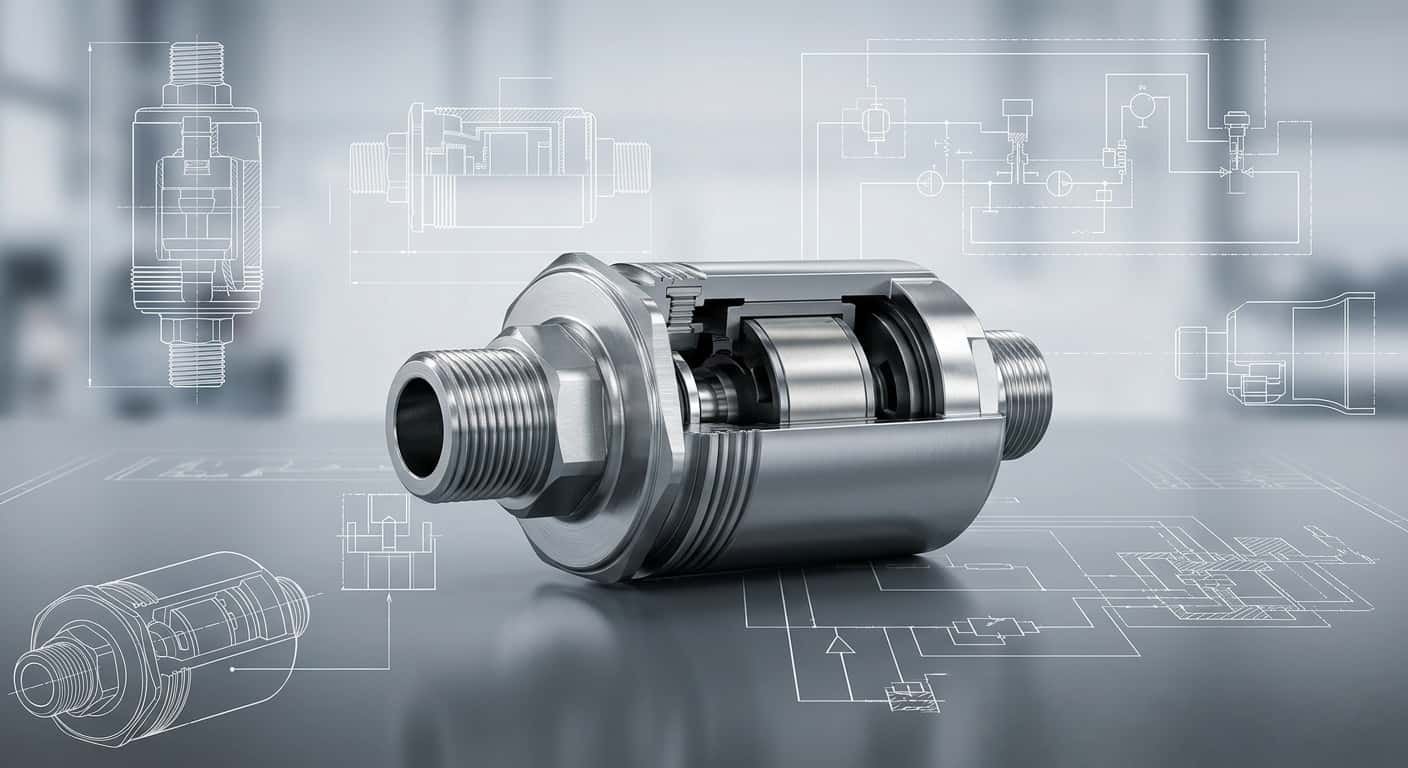
A fuel pressure regulator consists of several essential components that collaborate to maintain the correct fuel pressure within the system.
Here’s a breakdown of the main components:
- Diaphragm
- Spring
- Valve
- Fuel Return Line ( in Return Type Systems)
- Vacuum Port (in vacuum-operated regulators)
- Housing/Body

Diaphragm:
This flexible membrane reacts to fluctuations in fuel pressure. It controls the movement of the valve within the regulator, adjusting fuel flow to sustain the desired pressure.
Spring:
The spring exerts pressure on the diaphragm, establishing the baseline fuel pressure. When fuel pressure rises, the diaphragm compresses the spring, which opens the valve and relieves excess pressure.
Valve:
The valve operates in response to the movements of the diaphragm and spring. It opens to allow excess fuel to flow back to the fuel tank or closes to keep fuel in the fuel rail, effectively regulating pressure.
Fuel Return Line (in return-type systems):
This pathway channels excess fuel back to the fuel tank when the valve opens. Note that not all fuel pressure regulators feature a return line, especially those used in returnless systems.
Vacuum Port (in vacuum-operated regulators):
Some regulators feature a vacuum port that connects to the engine’s intake manifold. This port adjusts fuel pressure based on engine load, increasing or decreasing pressure in response to changes in engine vacuum.
Housing/Body:
The housing, or body, is the outer casing that securely contains all the internal components. Typically made of metal, it is designed to endure high pressures and harsh conditions.
Each of these components plays a vital role in ensuring proper fuel pressure regulation, which is essential for the efficient and smooth operation of your engine. Together, they contribute to optimal performance and reliability on the road.
In summary, the fuel pressure regulator is a crucial element of your car’s fuel system, making certain that your engine operates correctly and efficiently. Don’t underestimate its importance—it’s the unsung hero that keeps your ride smooth and your wallet happy!