
The automotive aftermarket is currently navigating a pivotal shift. While the headlines are dominated by electrification, the demand for high-efficiency fuel delivery systems for Internal Combustion Engines (ICE) remains the backbone of the global auto parts trade.
For auto parts distributors and wholesalers, the challenge isn’t just finding a supplier; it is finding a partner who understands the intricate balance between pressure performance, longevity, and manufacturing precision.
In this market update, we explore why fuel pump technology is evolving and why strict adherence to international standards is the only metric that matters for your procurement strategy.
The Shift to High-Pressure: GDI vs. Port Injection
The days of generic “one-size-fits-all” fuel pumps are fading. As global emission standards tighten, automakers have aggressively adopted Gasoline Direct Injection (GDI) technology.
Unlike traditional port injection, GDI requires fuel to be pressurized to significantly higher levels (often exceeding 2,000 PSI) to be injected directly into the combustion chamber. For the aftermarket, this means the margin for error in manufacturing is zero. A pump that fails to maintain consistent pressure results in poor fuel economy, rough idling, and check engine lights.
Industry Note: According to the U.S. Department of Energy, advanced fuel technologies are critical for meeting modern fuel economy standards.
Why "Cheap" Pumps Destroy Distributor Margins
In the B2B sector, the purchase price is only one component of the total cost. The hidden killer of profitability is the Return Rate (RMA).
When a fuel pump fails prematurely, the cost cascades:
Labor Claims: Repair shops often demand labor reimbursement for re-doing the job.
Brand Damage: Your reputation as a reliable distributor takes a hit.
Logistics Costs: Processing returns and shipping replacements eats into margins.
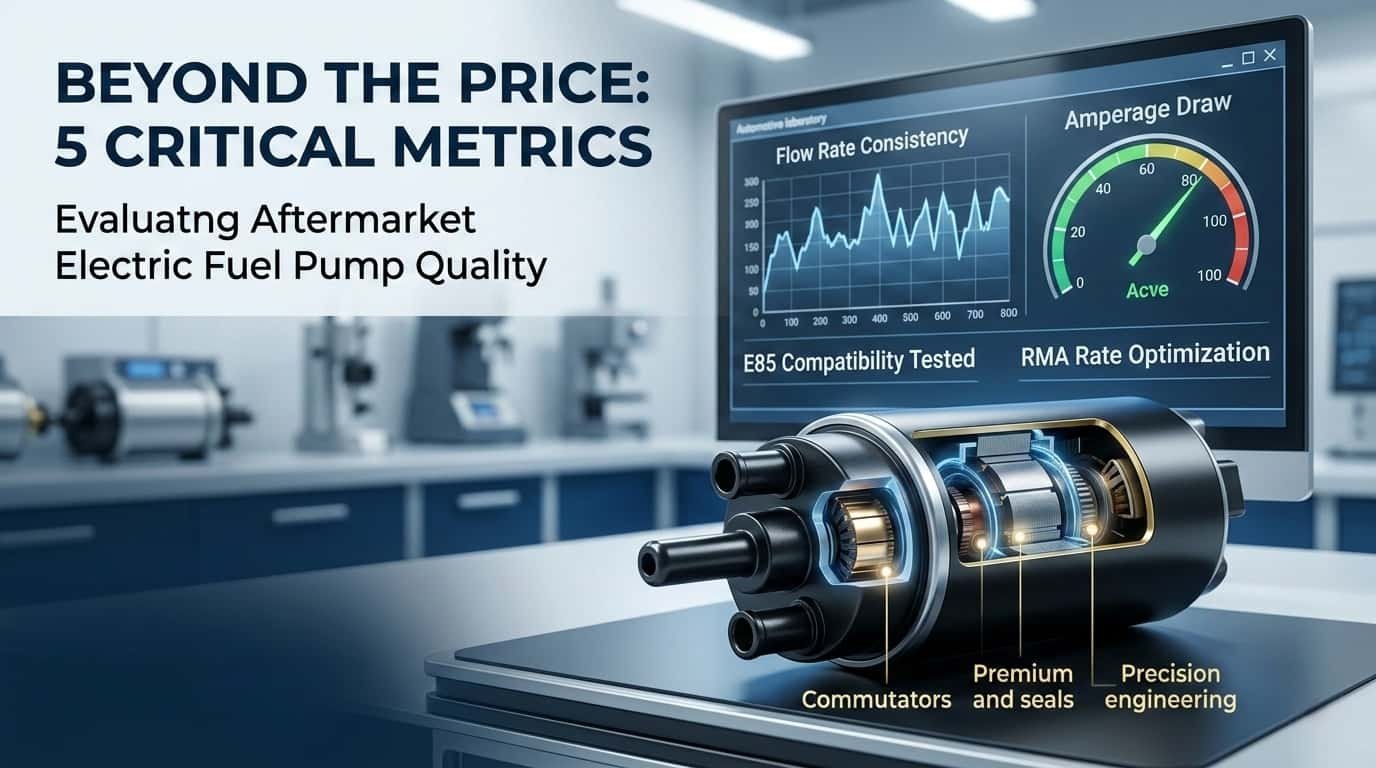
High-quality aftermarket pumps must undergo rigorous testing, including thermal cycling and flow testing under load.
The Authority of Standards: ISO and IATF
How do you verify quality before a shipment arrives? You look for certified standardization.
Top-tier manufacturers operate under ISO 9001 or IATF 16949 management systems. These aren’t just badges; they are frameworks that ensure every pump leaving the assembly line matches the “Golden Sample.”
Material Integrity: Ensuring internal carbon commutators and brushes can withstand modern ethanol-blended fuels.
Noise and Vibration: Precision balancing to ensure silent operation, a key customer complaint driver.
For a deeper understanding of these quality frameworks, the International Organization for Standardization (ISO) provides comprehensive outlines on how automotive quality management prevents supply chain defects.

The Future of the ICE Aftermarket
Is the market shrinking? Not anytime soon.
While EVs are growing, the average age of vehicles on the road is hitting record highs (exceeding 12 years in many Western markets). This aging fleet is the “sweet spot” for fuel pump replacement.
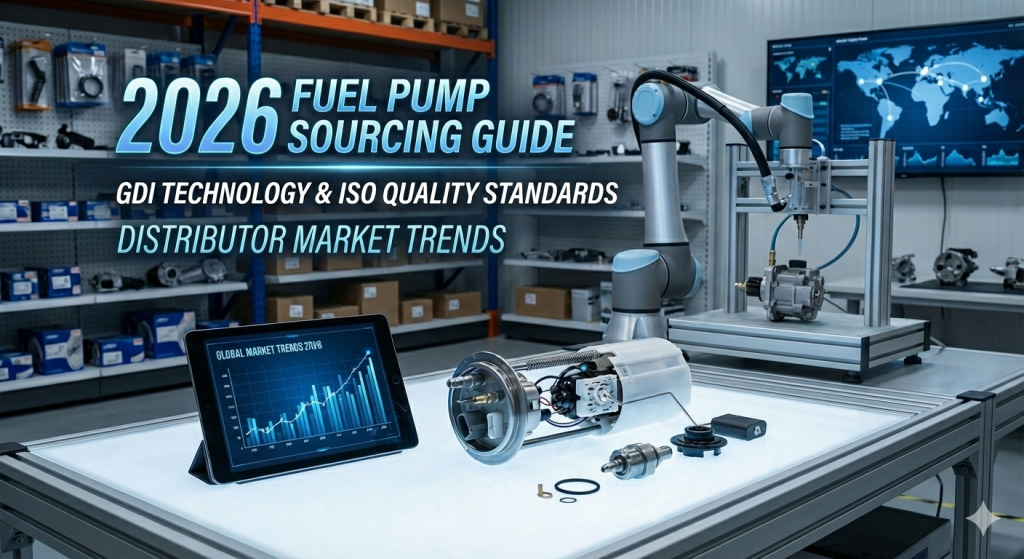
Data indicates that the global automotive fuel pump market is projected to maintain steady growth, driven by the replacement needs of millions of vehicles currently entering their prime maintenance years. Relying on reputable data from organizations like the S&P Global Mobility helps distributors forecast inventory needs accurately, ensuring you stock the right SKUs for the vehicles actually on the road.
Conclusion: Partnering for Profit
Your customers—the repair shops and retailers—rely on you to provide parts that “fit right and work right” the first time. In the complex world of fuel systems, cutting corners on sourcing leads to leaking profits.
At Creditparts, we prioritize rigorous flow testing and OEM-equivalent material sourcing to ensure our partners can sell with confidence.
Ready to upgrade your inventory? Contact our Sales Team today to Download our 2026 Fuel Pump Catalog and see our latest coverage for Global applications.